Why You Feel Hungry After Eating a Full Meal (and What to Try)
Have you ever felt hungry after eating a meal that should have been plenty? You cleared your plate, set down your fork, and ten minutes later your thoughts drifted back to the kitchen. It’s confusing, and it can feel like a personal flaw. In most cases it isn’t, and a few small habits may help you feel more settled.
Why You May Feel Hungry After Eating, Even With a Full Plate
Fullness isn’t a switch that flips the moment you swallow. Your stomach, gut, and brain send signals back and forth, and that conversation takes time. Many sources put it at roughly fifteen to twenty minutes. So if you finish dinner in eight minutes, your body may not have caught up yet.
Hunger also depends on what you ate, how you slept, and how stressed you feel. Because of that, feeling hungry after eating is rarely a willpower problem. It’s usually a small mismatch between the meal, the moment, and your body’s signals.
Five Common Reasons You Feel Hungry After Eating
1. The Meal Went By Quickly
Eating at a desk, in the car, or in front of a screen makes it easy to finish before fullness signals arrive. Also, when your attention is elsewhere, you may barely notice that the meal happened.
2. The Plate Was Light on Protein and Fiber
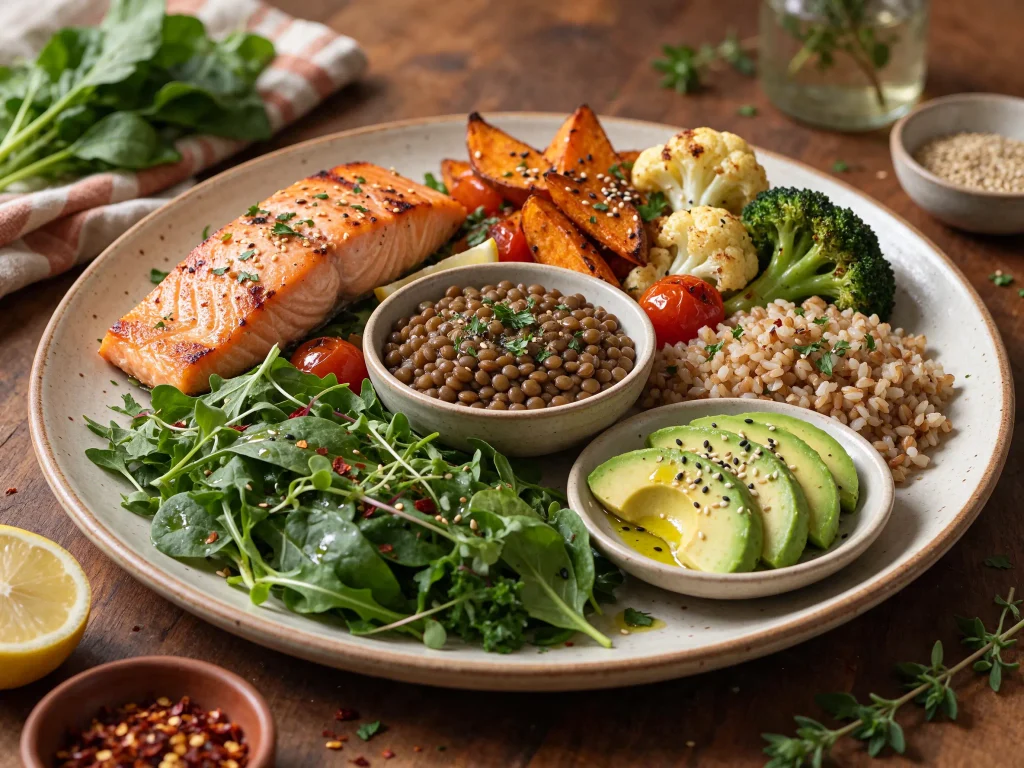
A meal made mostly of refined carbs, like white bread or sweet cereal, tends to leave your stomach quickly. Protein, fiber, and a little fat usually keep you satisfied for longer.
3. You Were a Little Thirsty
Thirst can feel a lot like hunger. A glass of water and a short wait is a gentle way to test which one you’re feeling.
4. Sleep or Stress Got in the Way
When you’re tired or tense, food can look like the quickest comfort. So a rough night may show up as extra hunger the next day.
5. You Wanted Something Other Than Food
Boredom, a stressful email, or a habit of dessert after dinner can all feel like hunger. In that case, the stomach isn’t asking. The urge is.
Small Fixes for Feeling Hungry After Eating
You don’t need to change everything. Pick one idea below and try it for a week or two.
- Pause halfway. Put your fork down, take three slow breaths, and notice how full you feel.
- Add one anchor. Include something with protein or fiber, such as eggs, beans, yogurt, or vegetables.
- Sip water with the meal. Then wait a few minutes before deciding on more.
- Wait before seconds. Give it about twenty minutes. The urge often softens by then.
- Sit down and put the phone away. Even one screen-free meal a day helps you notice fullness.
If you’d like more ideas for slowing down, these simple mindful eating steps pair well with the halfway pause. Starting with just one change makes it easier to keep.
The Gap Before You Act on Hunger

Sometimes the meal was fine and the urge arrives anyway. That’s where a short gap helps. Between the thought of a snack and the snack itself, leave a small space.
Try this the next time you feel hungry after eating:
- Name it quietly: “I just ate, and I want more.”
- Drink some water and stand up for a minute.
- Ask yourself whether you’d enjoy a plain piece of fruit right now.
- Wait ten minutes, then decide.
If the answer is still yes, eat without guilt. The point isn’t to say no. It’s to make the choice yours.
Urges often rise quickly and then fade. A pause lets the first wave pass, so you respond to real hunger instead of habit. Also, feeling hungry after eating at night can be about the whole day behind you, not only the dinner in front of you.
How to Track When You Feel Hungry After Eating
You can learn a lot from a few notes. In my own notebook, each habit gets a page: what I tried, how my energy felt, and what got in the way. The messy pages are the useful ones.
The Rhythm Is Waiting is a short guide to five natural-rhythm habits, with five printable thirty-day trackers. You can pick one habit, like eating with a little more room, and follow it on paper at your own pace.
If you like keeping things on paper, you can find it here: The Rhythm Is Waiting. Because it touches on occasional fasting, it includes clear cautions. Fasting isn’t right for everyone, so please ask your doctor first, especially if you’re pregnant, breastfeeding, under 18, living with diabetes or an eating disorder history, or taking medication.
A simple log works just as well on any notebook page. After a meal, jot down a few things:
- How fast you ate, in your own words
- What was on the plate
- How you slept the night before
- How hungry you felt ten minutes later
After two weeks, look back. You may notice that the hunger shows up after rushed meals, or on short-sleep days. That’s useful, and it’s yours.
When Hunger Deserves a Doctor’s Time
Nothing here replaces medical advice. If you feel hungry after eating almost every time, or it comes with shakiness, a racing heartbeat, unplanned weight change, or constant tiredness, please talk to a professional you trust.
They can look at the whole picture. Your notes may help that conversation, because they show what you’ve noticed over time. There’s no need to wait for things to feel serious before asking.
Questions About Feeling Hungry After Eating
Is it normal to feel hungry after eating?
Yes, it’s common. Fast meals, light protein, short sleep, and stress can all play a part. Feeling hungry after eating once in a while usually isn’t a sign of anything serious. If it happens constantly, it’s worth mentioning to your doctor.
How long should I wait before eating more?
Many people find that fifteen to twenty minutes is a good starting point. Fullness signals take a little while to arrive. Drink some water, move around, and check again. If you’re still hungry after that, eat something simple and enjoy it.
Can drinking water help when I’m hungry after eating?
It may. Thirst can feel like hunger, so a glass of water and a short wait is a gentle test. If the feeling fades, you may have been thirsty. If it stays, food is a fair answer.
Your Next Small Step
You don’t need a perfect plan. At your next meal, try one thing: pause halfway, take three slow breaths, and notice how you feel.
Do that for a week, and write one line about it. If you still feel hungry after eating, you’ll have a few clues to work with, and nothing to feel bad about. Small and steady is plenty for now.