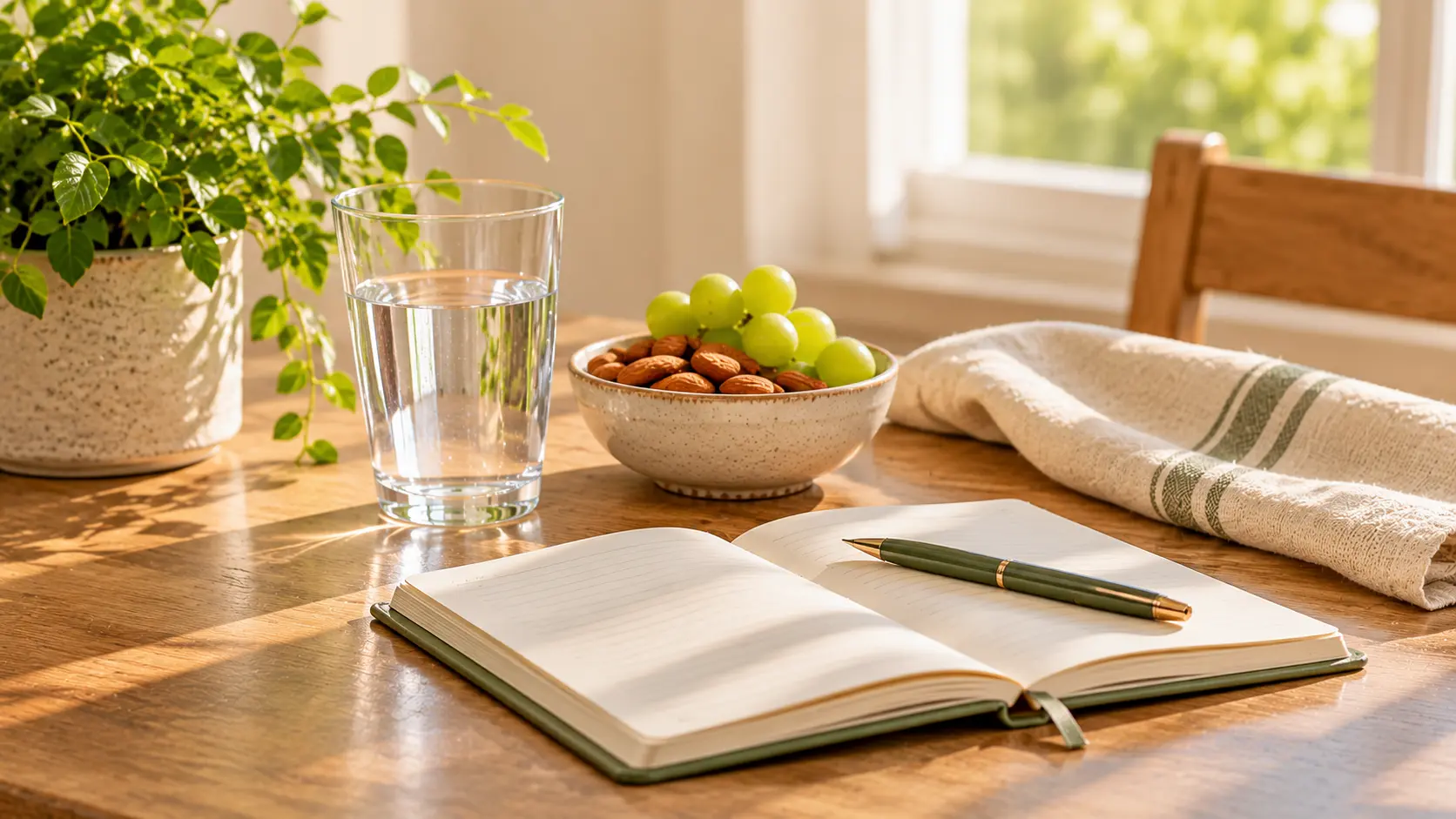
What Your Food Cravings May Be Telling You and How to Respond Gently
Why do food cravings hit hardest at 3 p.m. or late at night? If you feel tired, busy, and a little behind, those urges can feel like a personal flaw. They usually aren’t. Most urges follow simple patterns, and once you notice them, you can answer with kindness instead of a fight. This guide covers the common triggers and a small pause you can try today.
What Food Cravings Really Are (and What They Are Not)
A craving is a strong pull toward one specific food. Plain hunger is different. Hunger builds slowly and is usually happy with almost any meal, while a craving shows up fast and asks for something exact, like chips or cookies.
Food cravings seem to come from a mix of things, including sleep, stress, how long it has been since you ate, and habit. The science is more complicated than a headline makes it sound, so no single urge holds one secret message.
That’s helpful, because it means you have several small levers to try. You don’t need a strict plan or perfect willpower. First, you only need to notice what’s going on. Then you can choose how to respond.
Five Quiet Triggers Behind Food Cravings

Most urges trace back to a handful of everyday causes. Check these five first, in this order.
Tiredness
When you sleep badly, food cravings often get louder. Poor sleep is linked with stronger appetite and a pull toward quick energy, so a tired afternoon can feel like a snack emergency.
In my twenties, I ate lunch at the keyboard, felt tired by mid-afternoon, and felt wired at midnight. I blamed myself for both. If that sounds familiar, the first fix may be rest, not restraint.
Thirst
Thirst can feel a lot like hunger, especially on busy days when you forget to drink. Before you reach for a snack, try a glass of water and wait a few minutes. If the urge fades, great. If it stays, you’ve lost nothing.
Long gaps between meals
Going many hours without eating, then feeling ravenous at night, often sets up strong urges. Regular meals with some protein, fiber, and fat tend to keep hunger steadier. Notice whether your cravings peak after a skipped lunch.
Stress
Stress pushes many people toward comfort foods. When your day feels heavy, a salty or sweet snack can feel like the one easy reward. Stress and food cravings are linked for many people, even though the details vary.
Habit and cues
Sometimes the trigger is simply the scene: the couch at 9 p.m., the vending machine, a scroll through food photos. Habit and cues can launch strong urges with no real hunger behind them. Spotting the cue is half the work.
A One-Minute Pause Before You Act on Food Cravings
The gap before you act is where most of the change happens. I’d gently suggest this small routine, which takes about a minute:
- Stop and name it: “I’m having a craving for something salty.”
- Rate it from low to high, and notice where you feel it.
- Drink a glass of water, or run cool water over your hands.
- Take five slow breaths.
- Ask yourself: am I hungry, tired, stressed, or just in the habit?
- Decide. Eat it slowly, choose a swap, or wait ten minutes.
Eating the food is a fine answer. The goal isn’t to say no every time. It’s to make a choice instead of running on autopilot. That’s it.
Over a week, you’ll see which trigger shows up most. Then you can adjust one thing instead of everything.
Gentle Swaps for Salty, Sweet, and Rich Food Cravings

Swaps work best when they’re easy and you actually like them. Treat the ideas below as things to test, not rules to follow.
Salty urges
Start with water, then reach for something crunchy, like air-popped popcorn, olives, or carrot sticks with hummus. Salty urges may also ease with regular meals, so check the clock too.
Sweet urges
Pair fruit with protein or fat, such as berries with plain yogurt or an apple with nut butter. Protein and fiber tend to keep you full longer than sugar alone.
Rich or fatty urges
Often a real meal is the answer. Add nuts, eggs, avocado, or fish to a lunch you might otherwise skip. Rich-food urges may simply mean you need more fuel.
Chocolate urges
A few squares of dark chocolate, eaten slowly and away from a screen, can be enough. Notice the taste. Many people find the second square matters less than the first.
Track Your Food Cravings for Thirty Days
Patterns beat guesses. A small notebook works well for this. Each day, write one line about what you craved, when it came, and what was happening around you.
Give the habit thirty days before you judge it, because three days of notes can mislead you. Then ask two simple questions: do I have more energy, and do I want to keep going? Include the messy days, since those pages teach the most.
There’s a short guide to five natural-rhythm habits, with five printable 30-day trackers for testing each one. You can pick just one habit, such as five short breaks a day, and follow it on paper for a month.
If that sounds useful, The Rhythm Is Waiting is there whenever you’d like it, and skipping it is completely fine.
Some habits in that guide involve occasional pauses from food. Those aren’t right for everyone, so please ask your doctor first. That matters most if you are pregnant, breastfeeding, under 18, living with diabetes or an eating disorder history, or taking medication. If food cravings feel intense or out of your control, a professional you trust can help.
Build a Steadier Day So Food Cravings Feel Quieter
Urges often ease when the whole day gets a little steadier. Small changes to light, breaks, and bedtime may help, though results vary from person to person.
- Morning light: Step outside for a few minutes after waking. Daylight seems to help the body keep a steadier rhythm.
- A midday pause: Take a real break from your screen at lunch, even for five minutes, and eat sitting down.
- Slower bites: Put your fork down between bites and notice when you feel comfortably full.
- A steady bedtime: Going to bed at about the same time each night makes tomorrow’s urges easier to handle.
For more ideas on meeting urges calmly, read this post on cravings and mindful choices.
Also, change one thing at a time. Five changes in one week is a lot, and a single small habit is much easier to keep.
Frequently Asked Questions About Food Cravings
Do food cravings mean my body is missing a nutrient?
Not necessarily. Food cravings can link to hunger, sleep, stress, or habit, and the research is mixed. If you suspect a nutrient problem, ask a doctor about testing instead of guessing.
Is it okay to give in to a craving?
Often, yes. Eat it slowly, sit down, and notice how you feel afterward. Eating with attention is different from eating on autopilot, and it helps you trust yourself more over time.
How long do cravings last?
Many urges rise and then fade within a few minutes if you wait, though it varies. Try a glass of water and a short pause. If food cravings feel constant or distressing, please talk to a professional you trust.
Your Next Small Step
Pick one idea from this post for the next three days. It could be a glass of water before a snack, a one-minute pause, or a single line in your notebook. Then notice what happens. You’re not behind, and understanding your food cravings is a slow, steady skill. Keep it small, be kind to yourself on the messy days, and build it one ordinary day at a time.